
In October, the Victorian government will introduce new regulations that will strengthen the management of psychosocial hazards within the workplace amid an increase in work-related mental injuries. The new legislation comes after work-related mental injuries increased to 18% of all new WorkCover claims in 2023-2024 – a two per cent increase from the prior year and double the number of claims recorded in 2009*. The legislation, which is expected to take effect in December, will mean that Victorian employers are now legally bound to identify, manage and control psychosocial hazards in the workplace. This upcoming legislation sees Victoria join other jurisdictions, including New South Wales, Queensland, Western Australia and Tasmania, with similar workplace regulations.
What are psychosocial hazards?
“Psychosocial hazards are aspects of work which have the potential to cause psychological or physical harm” (ComCare)
These hazards refer to aspects of the work design, organisation, management, or interactions that lead to psychological or physical harm. Psychosocial hazards include job demands, lack of job control, poor manager and or colleague support, inadequate management of organisational change, organisational culture, and interpersonal relationships (e.g., conflict, bullying, harassment, sexual harassment, aggression or violence, and exposure to traumatic events).
It is equally important to understand what psychosocial hazards are not:
- temporary or occasional stress
- personal issues unrelated to the workplace
- everyday workplace challenges that don’t create unreasonable stress
- isolated incidents that don’t form a pattern of behaviour
Psychosocial hazards become problematic when they create frequent, prolonged, or severe stress, which can lead to psychological or physical harm over time.
Psychosocial hazards are essential to address and manage to promote a healthy and supportive work environment.
What can you do to mitigate psychosocial hazards AND promote a healthy work environment?
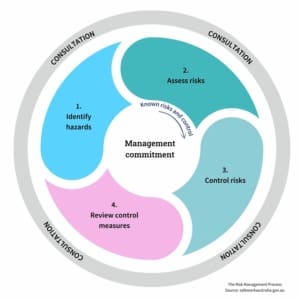
Before any organisation can control Psychosocial hazards and risks, it needs to identify work-related hazards effectively.
The most effective approach to identifying psychosocial hazards and risks is via a robust listening strategy. This can include: surveying your workforce, facilitating focus groups, and interviews. Your approach must use robust frameworks to unearth employees’ experiences and concerns. Using a trusted research partner ensures the privacy and confidentiality of feedback.
The next step is to assess the hazards and risks by considering what could happen if your employees are exposed to the identified hazards and risks.
Where possible, employers need to, at the very least, mitigate the risk through planning and prevention.
Once the controls are in place, employers need to maintain, monitor and review these control measures regularly to ensure they remain effective amid internal and external changes.
Please Note: To ensure compliance, it is advisable to refer to the relevant legislation and resources specific to your jurisdiction and circumstances.
Need help getting started?
Insync can help design a robust listening strategy to identify risks in your workplace. Contact our friendly team to get started.
Sources
https://www.hcamag.com/au/specialisation/employment-law/victoria-to-introduce-new-law-on-managing-psychosocial-hazards-at-work/525826?hsmemberId=465993&tu=CD26F215-FAEC-4E80-8D99-A57F223B79C7&utm_campaign=&utm_medium=20250223&_hsmi=348533154&utm_content=CD26F215-FAEC-4E80-8D99-A57F223B79C7&utm_source=