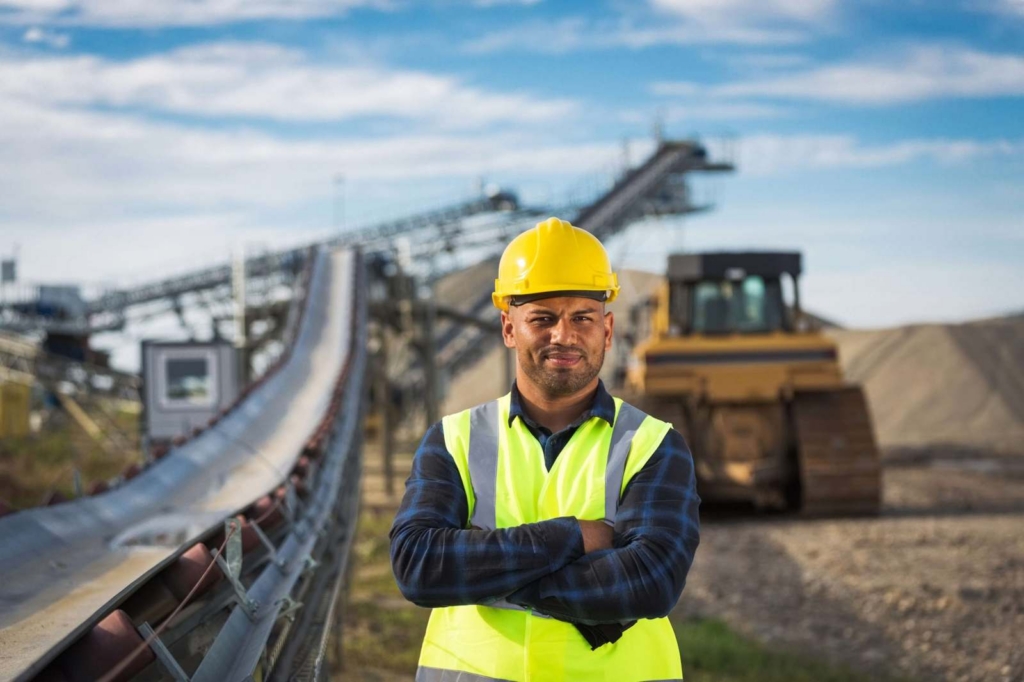
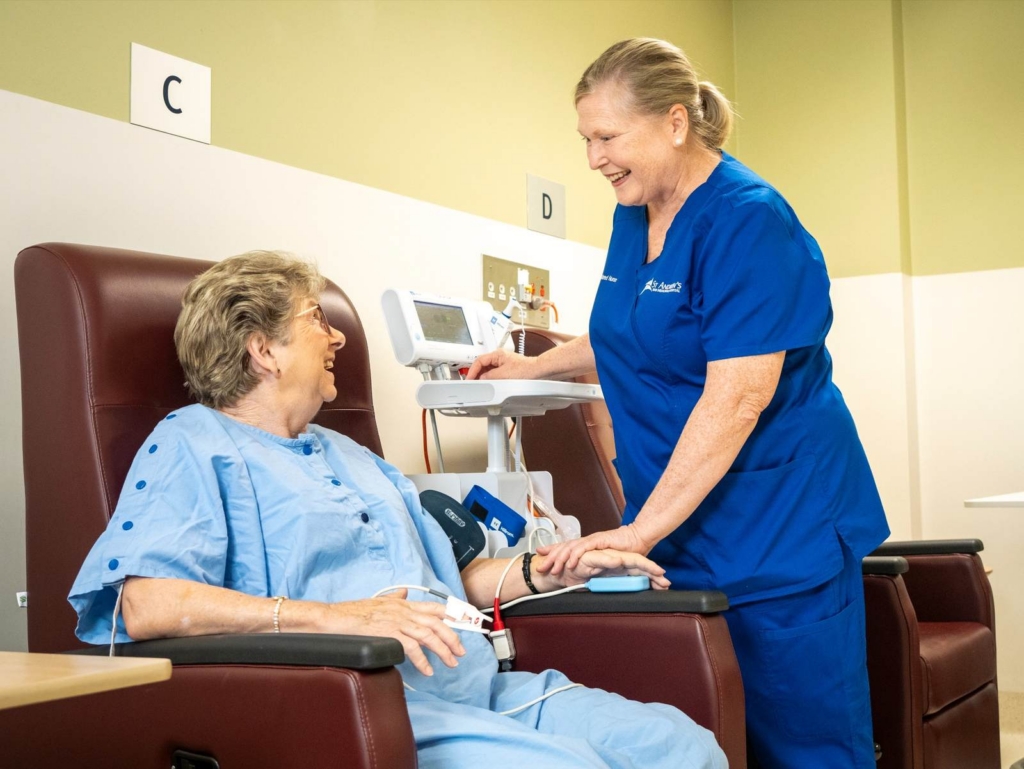
Walk through any site, shed or yard, and you will see the same truth written on every face: the work is demanding, the risks are high, and the people doing the job know more about the real hazards than anyone sitting in head office. The challenge is that too often, those insights stay unspoken.
The future of work in blue-collar industries won’t be shaped by technology alone. It will be shaped by whether we create environments where workers feel safe enough and respected enough to speak up. In 2023, 200 workers in Australia lost their lives at work – a figure that underscores what is at stake when hazards go unreported. Listening is no longer a soft skill. It is an important safety system.
The risk of silence
In high-risk industries, silence is not neutral; it can be dangerous. When workers feel that raising concerns will be ignored, dismissed, or punished, hazards go unreported. Near misses accumulate. Minor frustrations build into disengagement. And eventually, those “small things” turn into incidents that damage both people and reputations.
Research into psychological safety reveals that the solution is remarkably simple: listen. Results showed teams with stronger voice cultures experience fewer errors, higher engagement, and stronger performance. This translates to fewer accidents, more consistent procedures, and crews that look out for each other.
Silence is expensive. Engagement saves lives.
Compliance is the floor, not the ceiling
Australia’s evolving focus on psychosocial hazards has sharpened attention on safety beyond physical risks. Organisations are rightly paying attention to work design, role clarity, and mental well-being. But compliance alone won’t create a thriving safety culture.
The companies that will lead the next decade of mining, construction and heavy industry are those that treat legislation as a foundation, not a finish line. They recognise the connection between culture, engagement, and safety and take action accordingly.
Listening as a leadership act
Sadly, listening is often confused with passivity, when it’s actually one of the most active and disciplined skills a leader can develop. On–site, it means:
- Creating space in pre-starts and toolbox talks for real dialogue
- Training supervisors to respond constructively to concerns, even under pressure
- Following up quickly to build a listening culture where workers are assured their voices matter
When listening becomes a daily habit, trust builds. Crews start speaking up earlier and more often. Supervisors gain visibility of risks before they escalate. Leaders get clearer signals about the culture they’re shaping.
Technology can help, but people decide
There’s no shortage of digital dashboards, wearables, and AI-powered safety tools promising to transform frontline work. They are valuable additions, but none of them will matter if the workforce doesn’t feel heard. The most advanced monitoring system can’t replace the human decision to raise a hand and say, “something’s not right here.”
That’s why the future of work is less about surveillance and more about voice. Digital tools should amplify listening, not replace it.
From engagement to resilience
Engagement isn’t just about job satisfaction. In blue-collar industries, it underpins resilience. An engaged crew is quicker to adapt to new technology, more committed to safety protocols, and more likely to support each other when things get tough.
In a labour market where skilled workers are scarce and turnover is costly, engagement has become the currency of retention. Listening is how you earn it.
Building tomorrow’s culture today
The future of work is often painted as an abstract idea, one of automation, AI, and the next generation of machinery. However, for industries such as mining, construction, and heavy industry, the future begins in the conversations we have today.
It begins when a young apprentice feels confident enough to challenge an unsafe shortcut, when a seasoned operator shares a smarter way of doing the job, and when supervisors create environments where respect and accountability coexist.
Listening is not about being soft. It’s about being smart. It’s about creating workplaces where silence doesn’t hide hazards, where culture drives safety, and where every worker goes home safe, valued, and proud.
The future of work begins with listening.
Strong safety cultures start with stronger conversations.
Let’s talk about how to make listening part of your leadership.